

Buying guide
Best Battery Backup for a Sump Pump: Pumps, Batteries and Power Stations
Choose a sump pump battery backup that fits your pit, water flow and outage needs. Compare dedicated pumps, combo systems, batteries and a power station option.
By thisWATT EditorialUpdated November 2, 20268 min read1 picks

Our picks at a glance
- See on Amazon1
Power station alternative: Anker SOLIX C2000 Gen 2
Anker SOLIX C2000 Gen 2 Portable Power Station (2,048Wh)2048 Wh capacity · 2400W AC out · LiFePO4
For most homes, buy a dedicated battery backup sump pump, and start with the Zoeller Aquanot Fit 508, backup-only model 508-0014: it adds a separate pump, self-testing controls and built-in Wi-Fi monitoring. Choose the Basement Watchdog Big Dog CONNECT for higher published backup flow, or the WAYNE WSS30Vn when you need to replace the primary pump too. A power station is a secondary option for keeping a compatible existing pump powered; it still depends on that pump working.
Quick picks
- Keep a healthy primary pump: Zoeller Aquanot Fit 508, with built-in remote monitoring.
- Prioritize backup flow and AC operation: Basement Watchdog Big Dog CONNECT, model BWD12-120C.
- Replace both pumps together: WAYNE WSS30Vn, a preassembled primary-and-backup system.
- Keep the existing AC pump powered: Anker SOLIX C2000 Gen 2, conditional on confirming motor-start compatibility and automatic operation.
Compare the backup, not the primary pump
These are manufacturer ratings, not measurements by thisWATT. GPH means gallons per hour; the pump rows below use a 10-foot head/lift reference. Different battery-voltage test conditions limit direct comparisons.
| Pick | What you get | Backup flow at 10 feet | Battery situation | Main buying catch |
|---|---|---|---|---|
| Zoeller Aquanot Fit 508-0014 | Backup pump and Wi-Fi controller | 1,800 GPH: converted from 30 GPM at 12.1V | Approved deep-cycle battery bought separately | Other Zoeller documents quote different flow figures; see below |
| Basement Watchdog Big Dog CONNECT BWD12-120C | Backup pump and monitoring controller | 2,200 GPH | BW-27AGM separate; supports a second matching battery | Remote notifications require the separate BW-WiFi2 module |
| WAYNE WSS30Vn | 1/2 HP primary plus 12V backup | 1,500 GPH | Recommended WSB1275 75Ah AGM separate | Required check valve is also separate |
| Anker SOLIX C2000 Gen 2 | Power station supplying your existing pump | Determined by your pump | Built-in 2,048Wh LFP battery | Provides electricity; no second pump or float |
Sources: Zoeller technical sheet, Big Dog specifications, WAYNE specifications and flow tables, WAYNE manual, Anker specifications. Zoeller's conversion is 30 GPM × 60 minutes = 1,800 GPH.
Best dedicated backup: Zoeller Aquanot Fit 508
The Fit is our starting point for an existing sump because its controller checks the pump and switches, raises fault alarms and supports remote monitoring. It has built-in Z Control Wi-Fi and an independent high-water sensor that can trigger backup pumping. The model comparison sheet identifies 508-0014 as backup-only: your existing primary pump stays, and you buy the battery separately.
Read the flow figures carefully. The technical sheet rates it at 30 GPM at 10 feet and 12.1V. The family page and comparison sheet publish 34 GPM at 12.7V, while the current manual says 35 GPM at 12.7V. Voltage explains part of the difference; the same-voltage figures also disagree. We show the technical sheet's stated operating point above. Ask Zoeller to confirm the applicable curve before sizing a demanding installation.
Variants: Spin 508-0005 omits built-in Wi-Fi. Fit ProPak 508-0015 adds an M53 primary, 508-0016 an M98, and 508-0020 an M63. A ProPak is a primary-and-backup package; “Fit 508” alone does not mean both pumps are included.
See the system and current documents at Zoeller.
Best for higher flow: Basement Watchdog Big Dog CONNECT
The Big Dog's published 2,200 GPH at 10-foot lift is the highest backup flow in this selection. Its 20A charger can power the backup pump directly from wall power when the primary fails, then the battery takes over if mains power fails. That makes it a useful candidate for primary-pump failure while electricity is still available. It also exercises the pump weekly and includes a dual-float switch.
Buy the BWD12-120C backup system with the appropriate battery and, if wanted, the BW-WiFi2 notification module. “CONNECT” does not mean the Wi-Fi module is included. The current manual requires matching age, type and capacity when using two batteries; use the maker's specified accessories and installer guidance.
Variant trap: the Special CONNECT BWSP is a different backup system. Its published 10-foot flow is 1,850 GPH, its charger is 1.6A, and it lacks the Big Dog's direct AC pumping capability. Its longer advertised battery duration does not make those pumping capabilities interchangeable.
See Big Dog specifications and included parts.
Best replacement combo: WAYNE WSS30Vn
Choose this when replacing the primary pump is part of the job. WAYNE supplies a preassembled 1/2 HP AC primary and 12V backup. At 10-foot lift, its published tables list 3,840 GPH for the primary and 1,500 GPH for the backup. During a power outage, plan around the backup figure. Adding the two ratings would overstate battery-only pumping capacity.
The battery and required check valve are excluded. WAYNE recommends its WSB1275 75Ah AGM battery. There is also a fit discrepancy: the product page specifies a 16-inch or larger basin, while the linked manual's description says 15-inch basin. Use the more conservative page figure for initial shopping and have the installer confirm clearance for both pumps and their floats.
Variant trap: ESP25n is an add-on backup pump with the same published 1,500 GPH at 10 feet; it does not include a primary pump. It suits buyers keeping their existing primary, rather than replacing both.
See the WSS30Vn system at WAYNE.
Power station alternative: Anker SOLIX C2000 Gen 2
Consider this if your immediate need is electricity for an existing, compatible pump. Anker lists 2,048Wh, 2,400W continuous output, a 4,000W peak, 120V AC outlets and 10 ms UPS transfer. Those are separate limits: capacity estimates duration, output must cover running demand, and a peak rating needs confirmation against the pump's starting requirements. Anker does not verify your particular pump just by listing those numbers.
Anker SOLIX
Anker SOLIX C2000 Gen 2 Portable Power Station (2,048Wh)
A 2,048Wh LiFePO4 power station with 2,400W of AC output (4,000W peak), a TT-30R RV outlet, 1,800W wall charging, 800W of solar input and expansion to 4kWh with one BP2000 (Gen 2) battery.
Comes in 5 versions: see which to buy
- 2048 Wh capacity
- 2400W AC out
- LiFePO4
Before relying on it unattended, confirm with Anker how to keep AC output active between pump cycles and what happens after battery depletion and restored input power. Have the pump maker confirm compatibility and an installer verify automatic transfer and repeat starts. Until then, treat it as a candidate for supervised backup.
Variants: the standalone station contains its battery; a BP2000 Gen 2 expansion battery adds storage. A solar-panel bundle adds charging equipment. Neither supplies a second sump pump. Our portable power station guide compares other sizes; use the home battery backup guide for a professionally installed household system.
Which failures does your backup cover?
A dedicated backup has its own pump and activation switch, covering an outage or a failed primary pump. A power station supplies the existing pump, so a failed motor or stuck activation switch still needs another solution. A blockage in a shared discharge can affect both pumps; Zoeller's troubleshooting guide flags blocked piping as a cause of poor or absent flow.
- Yes: Dedicated backup pump: another motor and activation switch
- Yes: Power station: power for a compatible, working AC pump
- No: Power station alone: no replacement for a failed primary pump
- Partly: Shared discharge: a blockage can compromise both pumps
Size it for water flow before choosing a battery
The backup must remove water faster than it enters. Ask an installer to establish inflow during a high-water period and calculate total dynamic head: vertical lift plus friction losses from the discharge path. Then use the backup pump's curve at that head. A zero-lift maximum or the primary pump's horsepower cannot answer this question. Zoeller's sizing guidance explains the relationship.
Include float clearance and access for service in the assessment. Ask for the complete equipment list: pump, controller/charger, approved battery, battery box, any needed valves and notification accessories. Arrange plumbing work with a qualified plumber; electrical installation changes and home wiring connections need a licensed electrician and permits where required.
Match water demand
Establish storm inflow and use the backup curve at the actual total dynamic head.
Confirm physical fit
Have the installer check basin space and unobstructed float movement.
Specify the complete system
Match the approved battery, charger, required valves and alert accessories.
Verify automatic operation
Arrange commissioning and follow the maker's maintenance schedule.
How long will it run? Read the duty cycle
Big Dog quotes 40 hours with one BW-27AGM, or 80 hours with two, at a 10% duty cycle. Forty elapsed hours at that duty cycle represent four hours of pump-on time spread across the period. Zoeller's technical sheet separately estimates 5.5 hours of continuous pumping with its stated battery. These claims describe different batteries and operating conditions.
For a station, Anker's planning formula is capacity Wh × 0.85 ÷ average load W. Its illustrative 300W load gives 2,048Wh × 0.85 ÷ 300W ≈ six hours, an estimate using a general loss allowance. Anker separately publishes a 5.7-hour, 300W sump-pump example. Neither establishes your runtime: use your pump's actual average demand, allow reserve, and remember that Anker quotes 9W idle consumption, which matters during long pauses between cycles.
Battery upkeep and alerts
Choose the controller-approved deep-cycle battery. AGM avoids wet-cell electrolyte top-ups; a car starting battery or an unapproved lithium replacement is a poor assumption. The Big Dog manual specifies lead-acid charging, and older Basement Watchdog controllers have different AGM compatibility.
Self-testing supplements maintenance. Zoeller's manual calls for inspection and testing at least every 3 months, monthly electrolyte checks for wet cells, and battery replacement every 3 years. Follow the schedule for your exact system.
Fit's remote alerts require a working internet connection. Include the router's outage power needs in the plan and verify that notifications arrive; Wi-Fi capability alone does not guarantee an alert during an outage. If you want to avoid a battery, Liberty's water-powered SumpJet requires an uninterrupted municipal supply; Liberty says it will not operate during an outage on well-pump water.
How we choose
We compared official product pages, current linked manuals and performance sheets, checked on November 2, 2026. Selection prioritizes a separate backup pump, useful flow at head, monitoring, battery requirements and clear bundle contents. No physical testing was performed. Recommendations are editorial judgments from those documents; calculated runtimes are estimates. Conflicting manufacturer figures are identified above. thisWATT is reader-supported: when you buy through our links, we may earn a commission at no extra cost to you. As an Amazon Associate, thisWATT earns from qualifying purchases.
Verdict
Start with Aquanot Fit 508-0014 for a monitored add-on backup, Big Dog CONNECT for higher published backup flow and direct AC operation, or WSS30Vn to replace both pumps together. Choose the C2000 Gen 2 only after verifying your existing pump's electrical and automatic-operation requirements. The purchase is ready when the backup fits the basin, meets inflow at the actual head and has an approved battery sized for the outage you need to cover.
Frequently asked questions
What is the best battery backup for a sump pump?
Our first choice for adding a separate backup pump is the Zoeller Aquanot Fit 508, model 508-0014, because it combines self-testing with built-in Wi-Fi monitoring. Choose the Basement Watchdog Big Dog CONNECT for its higher published backup flow and ability to run from AC during a primary-pump failure. Have an installer match either pump's performance curve to your water inflow and total dynamic head before buying.
How long will a battery backup sump pump last during an outage?
Runtime depends on the battery, pumping demand and discharge head. Basement Watchdog quotes 40 hours for the Big Dog with one BW-27AGM battery at a 10% duty cycle. That means pumping for only a tenth of the elapsed time. Zoeller quotes approximately 5.5 hours of continuous pumping under its stated battery conditions. These are different operating assumptions, so compare the conditions alongside the headline hours.
Can I add a battery backup to my existing sump pump?
You can add a separate battery-powered pump alongside an existing primary pump if the basin and discharge arrangement accommodate it. Alternatively, a compatible power station supplies electricity to your existing AC pump. The separate pump also provides another motor and activation switch; the power station still depends on your primary pump working. Have a plumber assess the basin and a licensed electrician handle any electrical installation changes.
What battery should I buy, and can I use lithium?
Buy the battery type approved for your exact controller. WAYNE recommends its WSB1275 75Ah AGM battery for the WSS30Vn; Basement Watchdog specifies its BW-27AGM for the current Big Dog. Do not assume a lithium battery is a replacement for either: the Big Dog manual specifies lead-acid charging. Older Basement Watchdog controllers can also have different AGM compatibility, so check the controller generation when replacing a battery.
Can a UPS or portable power station run a sump pump?
A candidate needs enough continuous output, adequate motor-start capability and suitable automatic transfer behavior. Battery capacity alone cannot establish compatibility. The C2000 Gen 2 lists 2,400W continuous output, a 4,000W peak and 10 ms UPS transfer, but these figures do not verify your particular pump. Confirm its electrical requirements, outlet behavior between cycles and recovery after battery depletion before relying on a station unattended.
Is a water-powered backup better than a battery backup?
It can be an alternative where there is a suitable uninterrupted municipal water supply. Liberty's SumpJet uses that water supply and needs no electricity, but its pumping performance depends on inlet pressure and discharge head. Liberty explicitly says it will not operate during an outage if your water comes from a well pump. Have a plumber confirm suitability for your home before choosing it instead of a battery system.
Power station alternative: Anker SOLIX C2000 Gen 2
Anker SOLIX C2000 Gen 2 Portable Power Station (2,048Wh)
Related guides
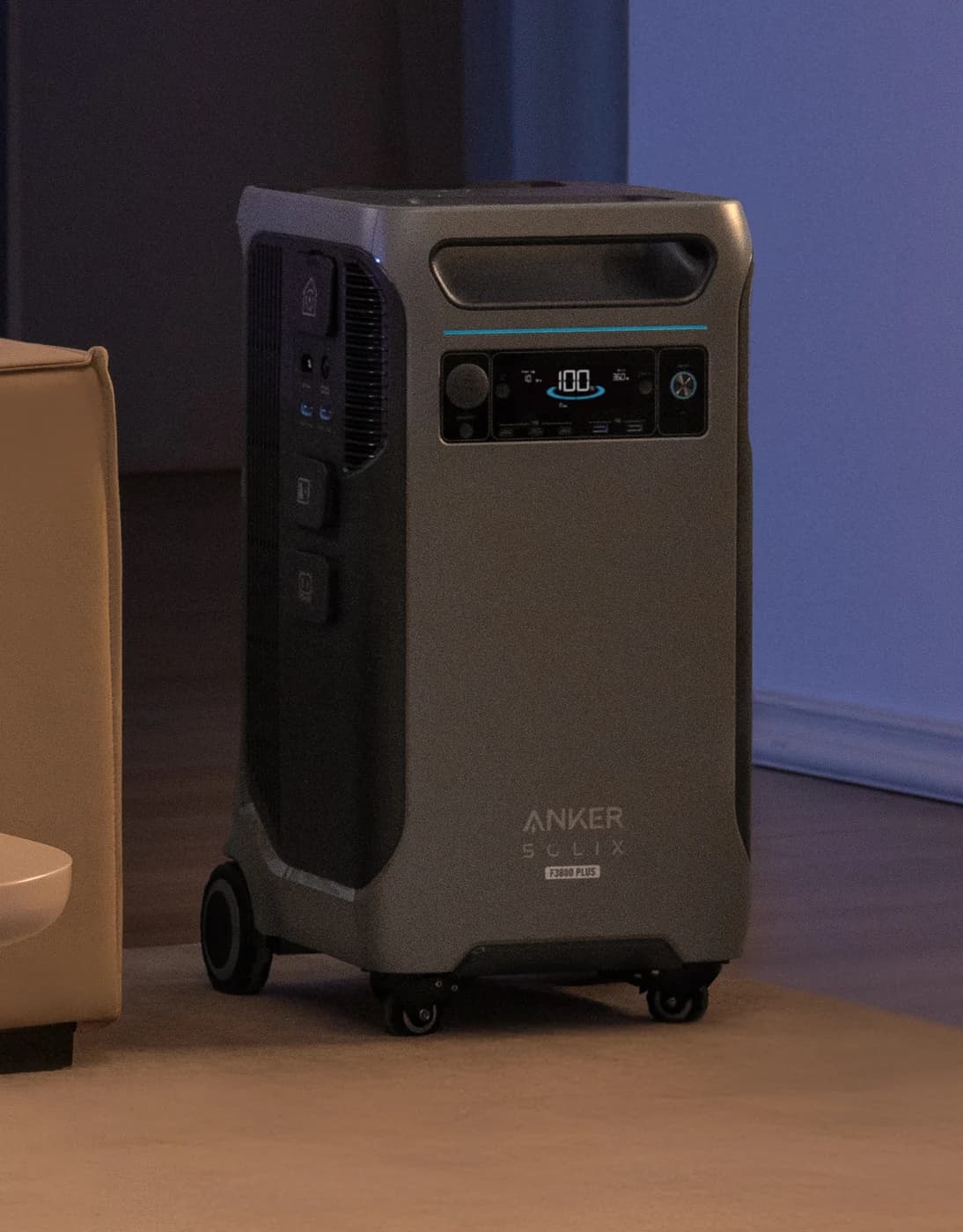
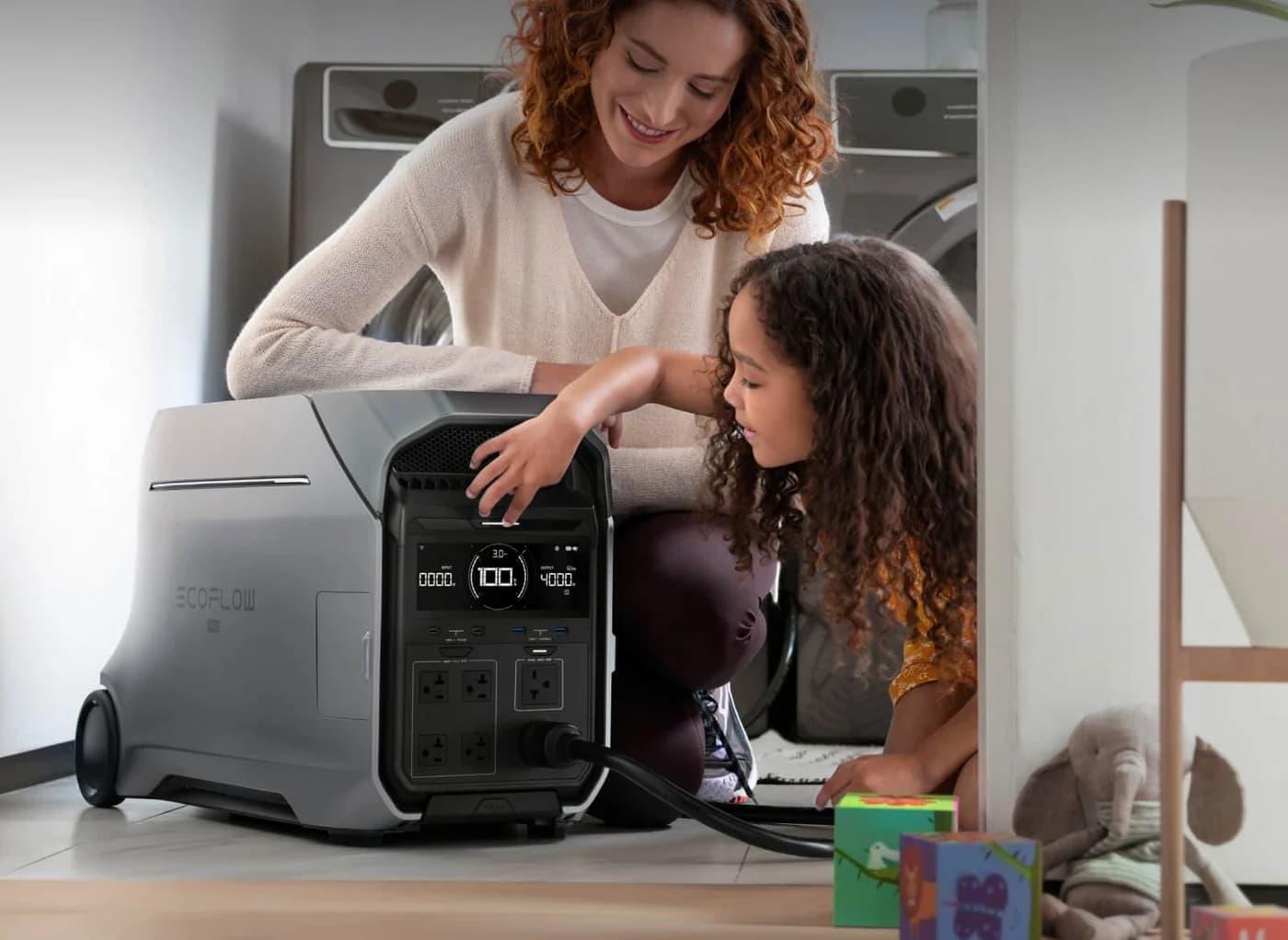
Anker SOLIX F3800 vs F3800 Plus: Models, Batteries, and Home Backup Kits
Choose the right Anker SOLIX F3800 or F3800 Plus: compare charging, outlets, BP3800 batteries and home backup kits, with clear limits for each configuration.
Updated November 2, 2026Read
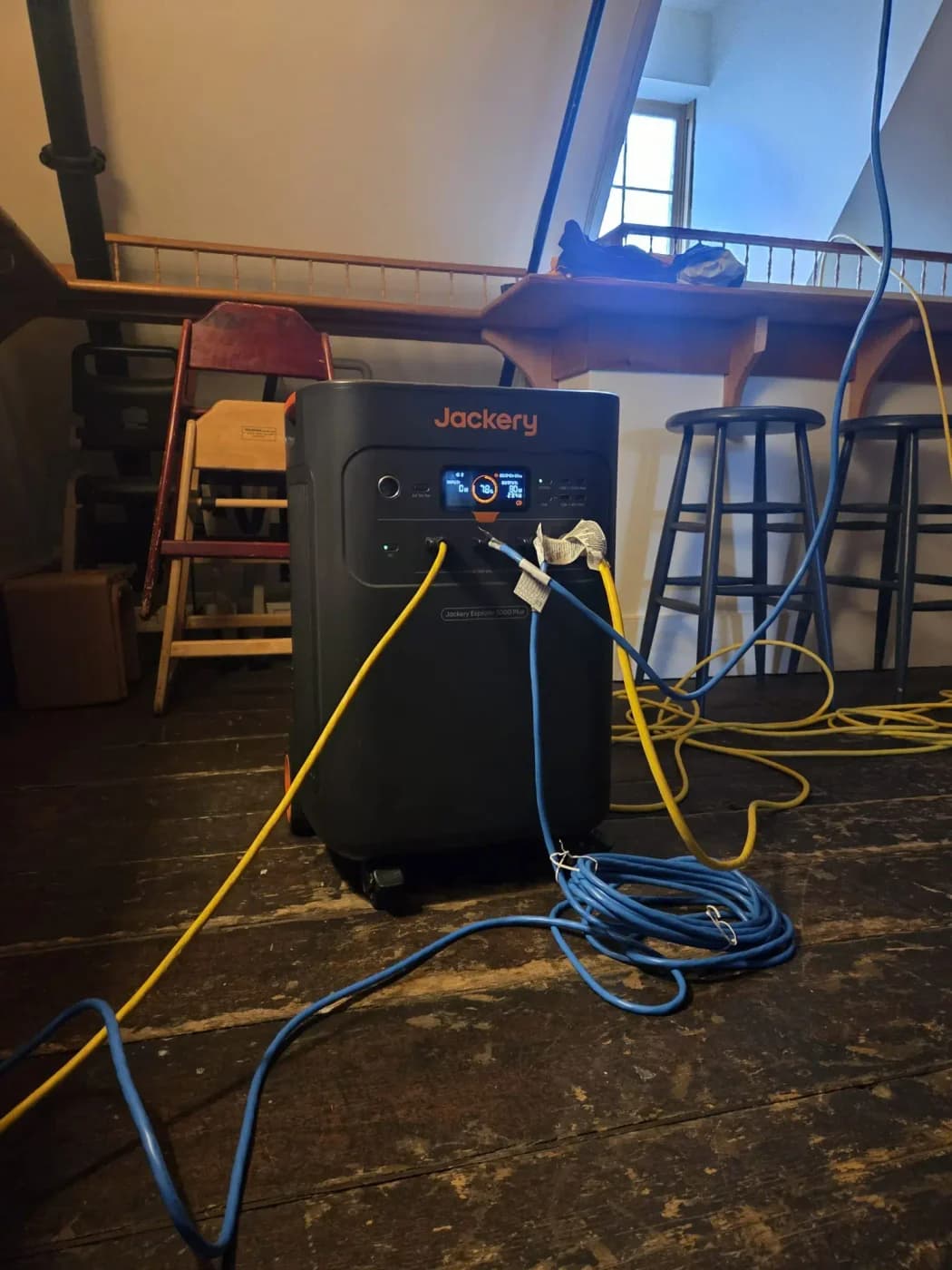
Jackery Explorer 5000 Plus: Batteries, Switches and Runtime
Choose your Jackery Explorer 5000 Plus setup with battery and transfer-switch comparisons, runtime estimates, and charging limits explained before buying.
Updated November 2, 2026Read
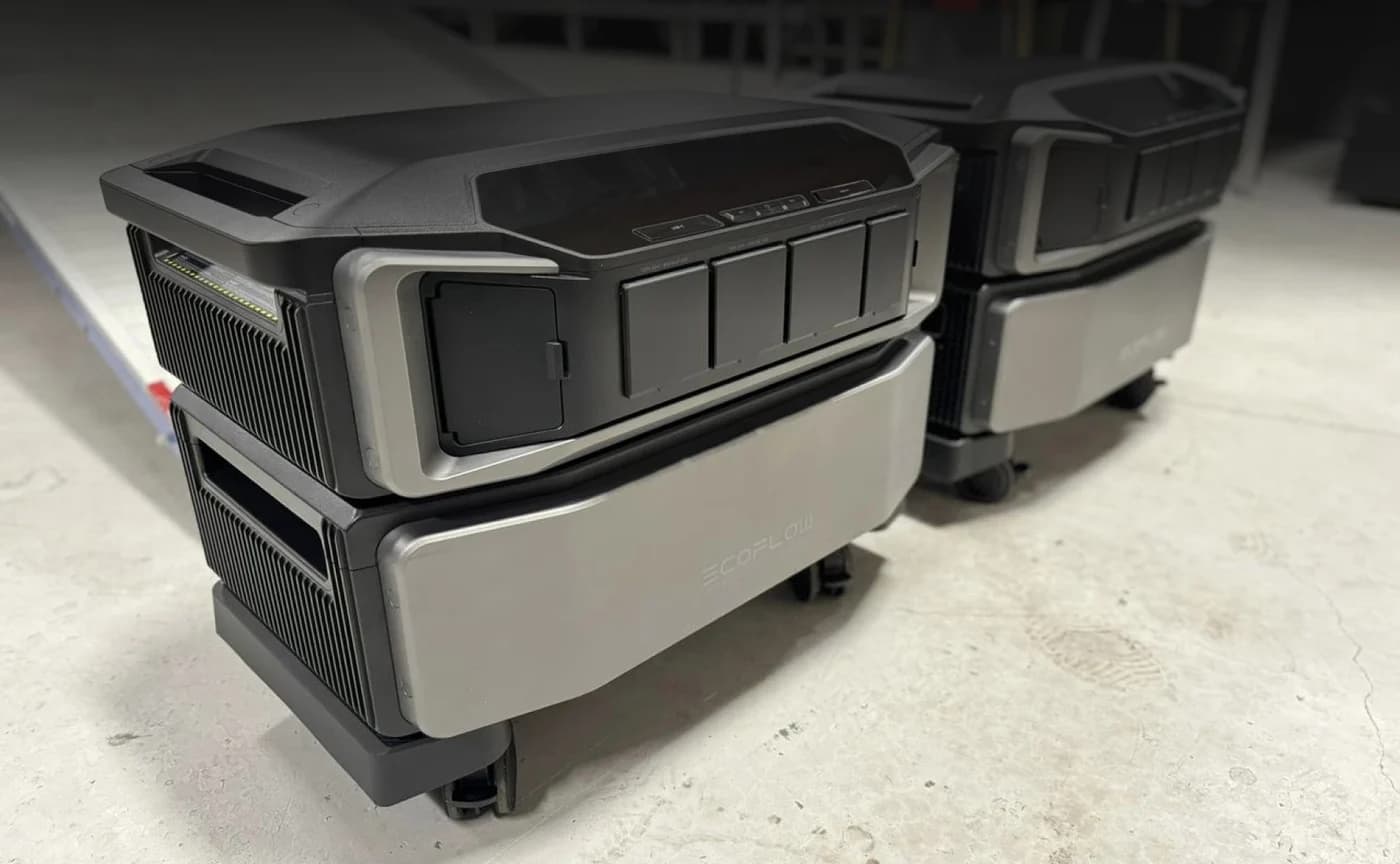
EcoFlow DELTA Pro 3 vs Ultra: Batteries and Smart Panels
Choose the right EcoFlow DELTA Pro 3 or Ultra system with battery and smart panel compatibility, kit contents, runtime estimates and winter recharge advice.
Updated November 2, 2026Read