

Best picks
Home Battery Backup: The Power Stations That Can Back Up a House
Home backup batteries from EcoFlow, Anker SOLIX, Jackery and BLUETTI compared on 240V output, surge, expansion, solar input and safety listings.
By thisWATT EditorialUpdated November 2, 202616 min read6 picks
Our picks at a glance
- See on Amazon1
Best overall
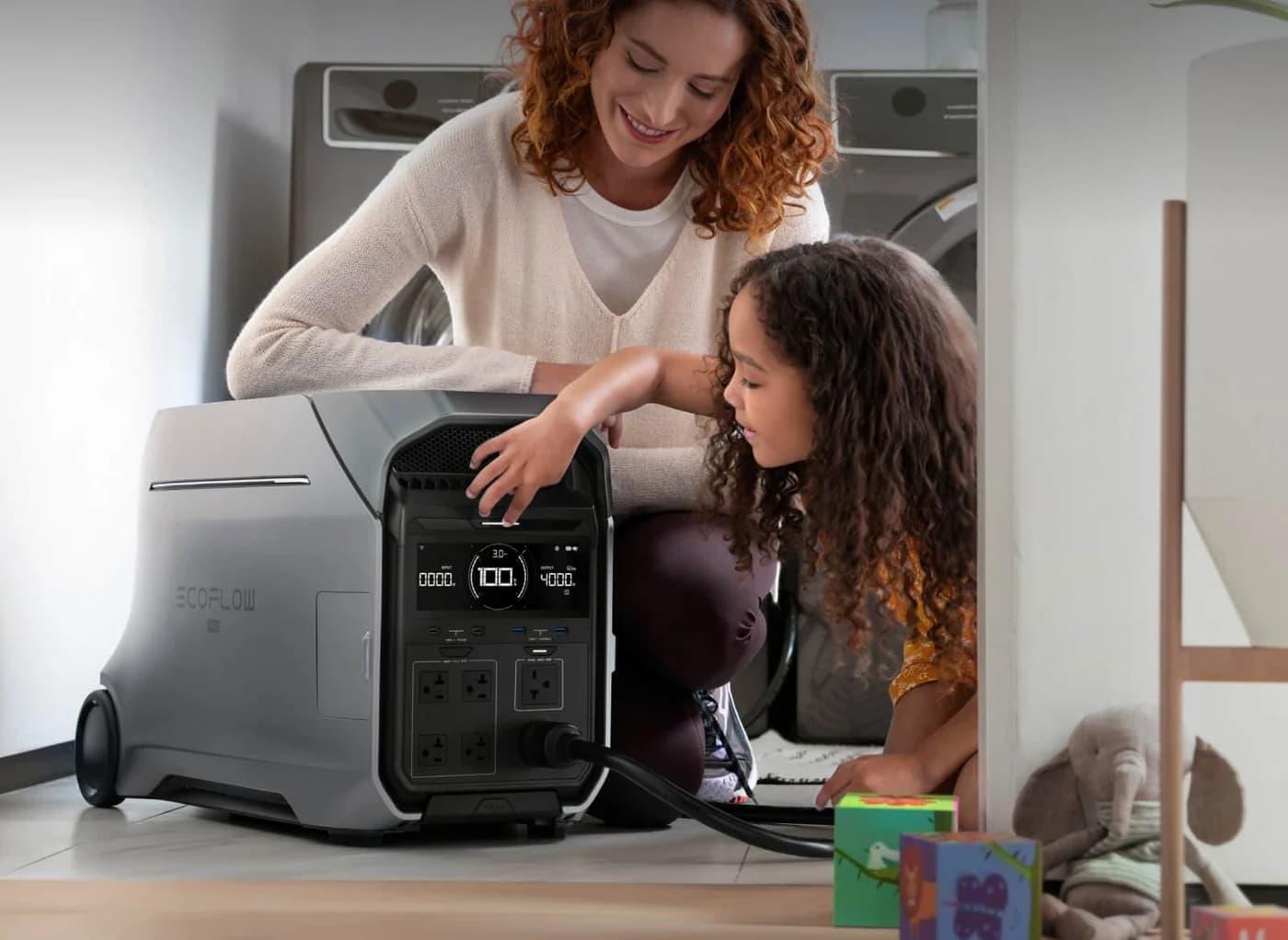
EcoFlow DELTA Pro 3 Portable Power Station (4,096Wh, 120V/240V)4096 Wh capacity · 4000W AC out · LiFePO4
- See on Amazon2
Best for solar and a generator
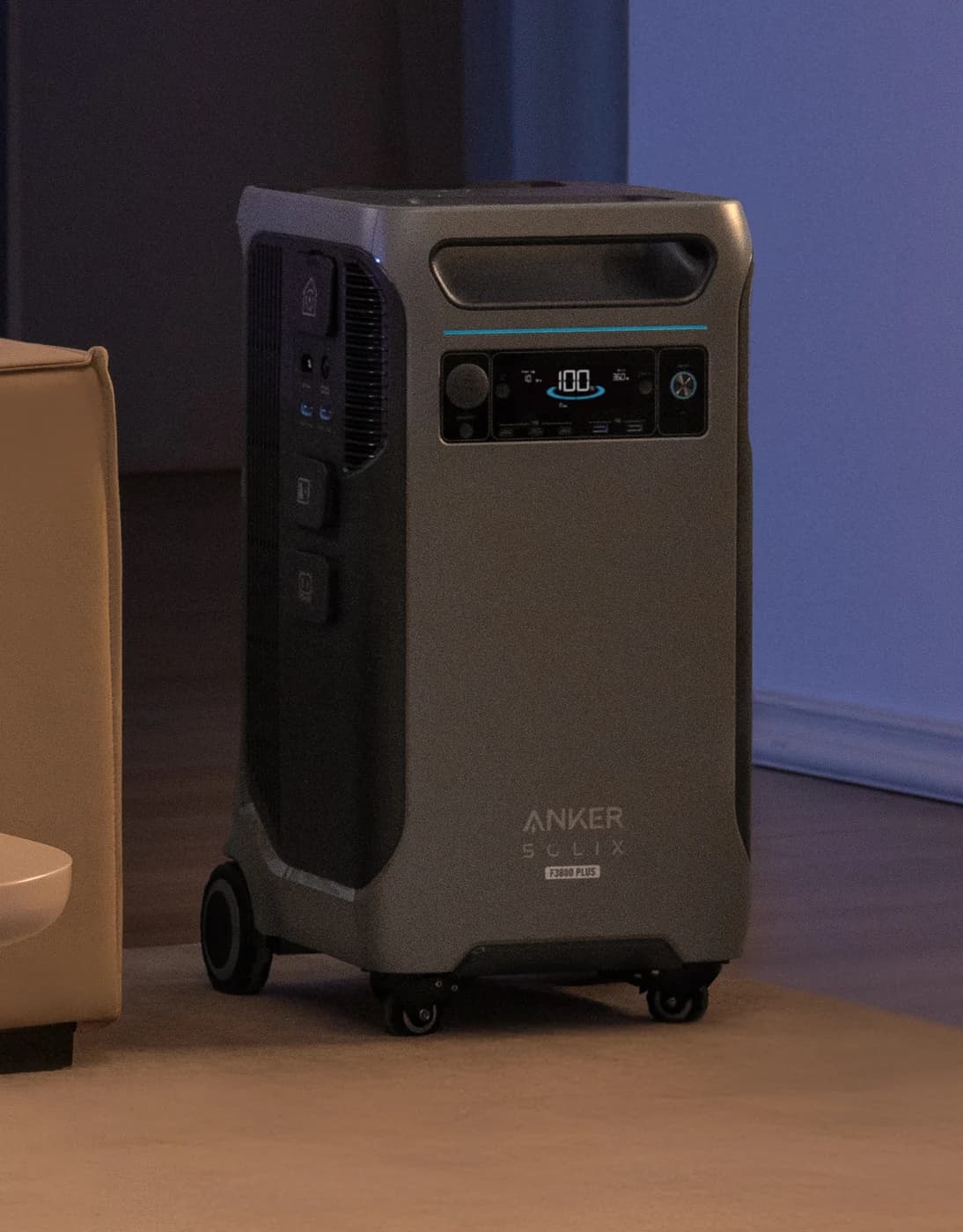
Anker SOLIX F3800 Plus Portable Power Station (3,840Wh, 120V/240V)3840 Wh capacity · 6000W AC out · LiFePO4
- See on Amazon3
Most surge
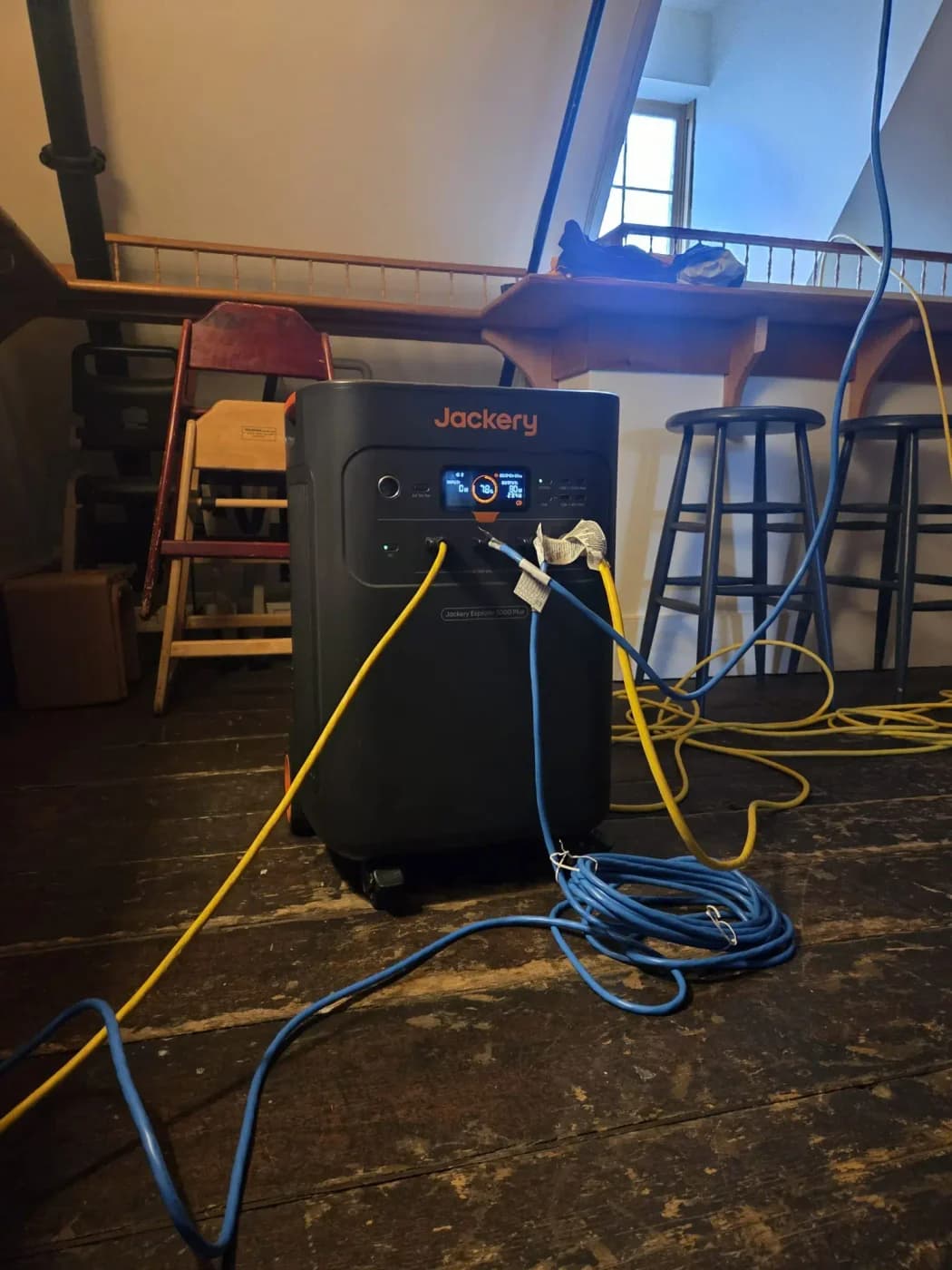
Jackery Explorer 5000 Plus Portable Power Station (5,040Wh, 120V/240V)5040 Wh capacity · 7200W AC out · LiFePO4
- See on Amazon4
Best whole-home system
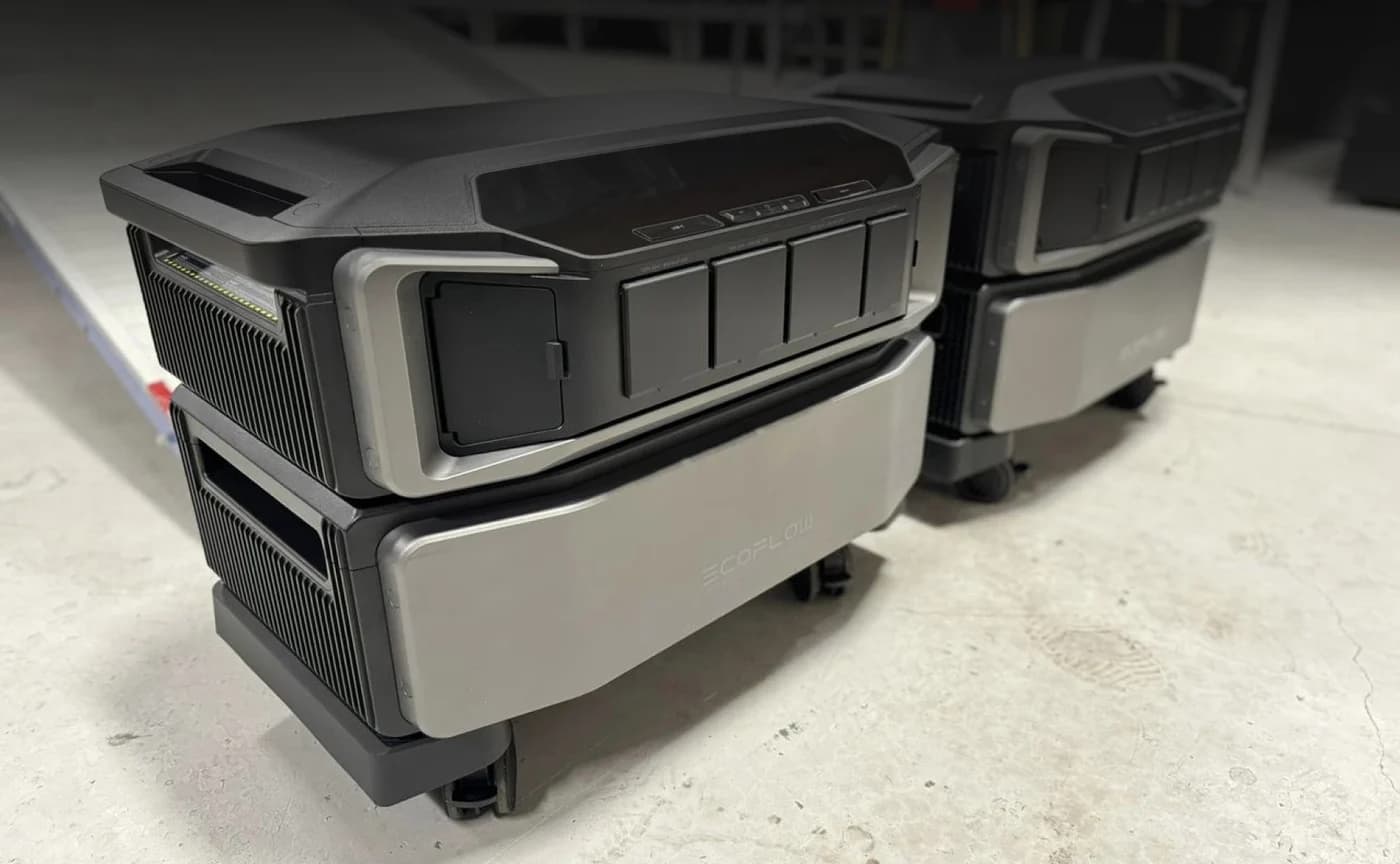
EcoFlow DELTA Pro Ultra Whole-Home Backup (Inverter + 6kWh Battery)6144 Wh capacity · 7200W AC out · LiFePO4
- See on Amazon5
Longest-rated battery life
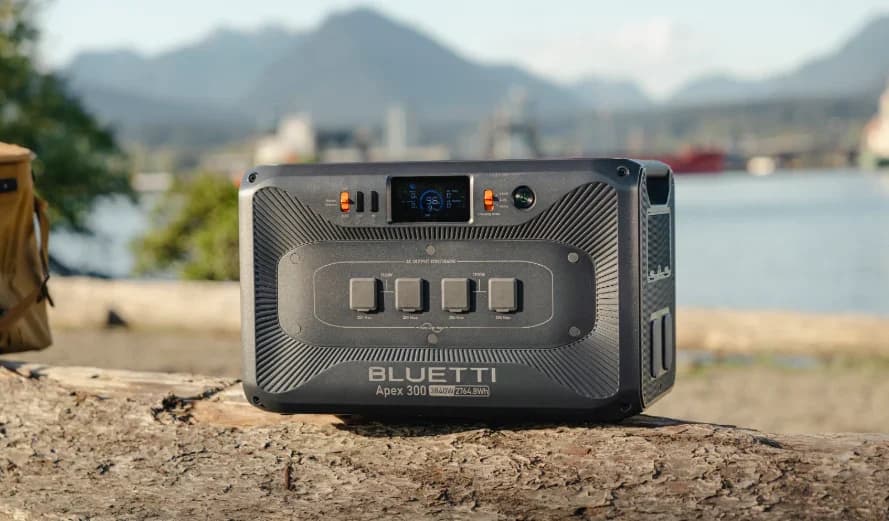
BLUETTI Apex 300 Home Battery Backup (2,764.8Wh)2765 Wh capacity · 3840W AC out · LiFePO4
- See on Amazon6

Best for essentials only
Anker SOLIX C2000 Gen 2 Portable Power Station (2,048Wh)2048 Wh capacity · 2400W AC out · LiFePO4
For backing up the circuits a home can't do without, the best battery here is the EcoFlow DELTA Pro 3: 4,096Wh with 120/240V output, 4,000W continuous and an 8,000W surge, a 10 ms switchover, and room to grow to 12kWh per unit, and EcoFlow lists it as UL 9540 certificated. For the biggest loads, look at the 7,200W EcoFlow DELTA Pro Ultra or Jackery Explorer 5000 Plus. If you only need the fridge, router and lights, a 2 kWh station like the Anker SOLIX C2000 Gen 2 is enough, with no panel work.
No single battery here runs a whole house for long: the average US residential customer bought about 29.6 kWh of electricity a day in 2022, per the EIA, and the biggest single battery here holds 6.1 kWh. So the real questions are which circuits you back up, how the system connects to your panel (always a licensed electrician's job), and which safety listing your inspector expects. Every spec below comes from the makers' pages and manuals, checked on November 1, 2026. We haven't lab-tested these systems.
What each system can back up
| System | Output | Continuous / surge | Capacity, and expansion per unit | Max solar input | UPS switchover |
|---|---|---|---|---|---|
| EcoFlow DELTA Pro 3 | 120/240V | 4,000W / 8,000W | 4,096Wh, to 12kWh | 2,600W (30-150V and 11-60V inputs) | 10 ms |
| Anker SOLIX F3800 Plus | 120/240V | 6,000W / not published | 3,840Wh, plus up to 6 x 3.84kWh | 3,200W (2 x 11-165V) | 20 ms (3 left outlets; 120V wall input, no generator) |
| Jackery Explorer 5000 Plus | 120/240V | 7,200W / 14,400W | 5,040Wh, to 30kWh with up to 5 Battery Packs | 4,000W (135-450V and 8mm inputs) | 0 ms online; under 20 ms backup |
| EcoFlow DELTA Pro Ultra | 120/240V | 7,200W / 10.8kW for 10 s | 6,144Wh, to 30kWh | 5,600W (80-450V and 30-150V inputs) | 0 ms online; under 20 ms backup |
| BLUETTI Apex 300 | 120V, or 120/240V on its NEMA 14-50R | 3,840W / not published | 2,764.8Wh, plus up to 6 x B300K | 2,400W (2 x 12-60V) | 0 ms or 20 ms by outlet |
| Anker SOLIX C2000 Gen 2 | 120V | 2,400W / 4,000W peak | 2,048Wh, to 4,096Wh | 800W (11-60V) | 10 ms |
Whole home or essential circuits?
- 29.6 kWhAverage US residential customer's daily electricity use (EIA: 10,791 kWh in 2022 ÷ 365)
- 6.1 kWhLargest single battery here (EcoFlow DELTA Pro Ultra)
- 1.0-1.75 kWhDaily use of a typical ENERGY STAR full-size fridge
The arithmetic decides the strategy. One DELTA Pro 3 (4,096Wh) holds about 14% of an average home's day, and one DELTA Pro Ultra battery about 21%, before losses. Backing up the whole house through a long outage means stacking batteries, adding solar, or both. Backing up essential circuits (fridge, freezer, lights, router, a few outlets, maybe a well pump) is what most systems here are sized for.
Tap a label to explore. You can also hover or use your keyboard.
Scroll across to see every column
Bars start at zero and share a scale within each column.
The daily reference is calculated from 2022 purchases, not a current consumption estimate for every home. Compare energy in the same unit, allow for reserves and conversion losses, and size the essential loads you intend to back up.
Source notes6 references
EIA gives 10,791 kWh as average annual electricity purchases per U.S. residential electric-utility customer in 2022; this is a dated purchases benchmark.
www.eia.gov — source for EIA gives 10,791 kWh as average annual electricity purchases per U.S. residential electric-utility customer in 2022; this is a dated purchases benchmark.In 2022, the average annual amount of electricity sold to (purchased by) a U.S. residential electric-utility customer was 10,791 kilowatthours (kWh), an average of about 899 kWh per month.
EIA cautions that electricity purchases may not equal total household electricity consumption, including where on-site solar reduces purchases.
www.eia.gov — source for EIA cautions that electricity purchases may not equal total household electricity consumption, including where on-site solar reduces purchases.Electricity purchases may not represent the total electricity consumption for some residential electricity customers.
EcoFlow specifies DELTA Pro 3 nominal capacity as 4,096 Wh.
us.ecoflow.com — source for EcoFlow specifies DELTA Pro 3 nominal capacity as 4,096 Wh.Rated Capacity 4096Wh
The DELTA Pro Ultra column of EcoFlow’s comparison table specifies 6,144 Wh battery capacity; use the original Ultra, not Ultra X.
us.ecoflow.com — source for The DELTA Pro Ultra column of EcoFlow’s comparison table specifies 6,144 Wh battery capacity; use the original Ultra, not Ultra X.Battery Capacity 102.4V⎓60A, 6,144Wh
The manual’s runtime equation includes depth of discharge, efficiency and station self-consumption, supporting the distinction between nominal battery storage and delivered runtime.
s4.bluettipower.com — source for The manual’s runtime equation includes depth of discharge, efficiency and station self-consumption, supporting the distinction between nominal battery storage and delivered runtime.Operation time = Battery Capacity × DoD × η ÷ (Load + Elite 100 V2's Self-consumption)
The capacity example is the EcoFlow DELTA Pro 3.
us.ecoflow.com — source for The capacity example is the EcoFlow DELTA Pro 3.EcoFlow DELTA Pro 3 Portable Power Station
To size your own: list the circuits you can't do without, add their running watts to check against the continuous rating, add the biggest motor's starting surge (BLUETTI's manuals warn that motors and compressors may start at 2 to 4 times their rated power), then multiply average watts by the hours you want for capacity. Our refrigerator watts guide shows the method for the biggest essential load.
Best overall: EcoFlow DELTA Pro 3
The DELTA Pro 3 is the most balanced system here. It holds 4,096Wh of LFP (4,000 cycles to 80%) and delivers 4,000W continuous at 120/240V, 6,000W with X-Boost, with an 8,000W surge for motor starts, per EcoFlow's spec table. Its outlets include an L14-30R and a NEMA 6-20R for 240V loads, a TT-30R and four NEMA 5-20R. Solar arrives on two inputs: a high-voltage one (30-150V, 1,600W) and a low-voltage one (11-60V, 1,000W). It switches over in 10 ms.
EcoFlow
EcoFlow DELTA Pro 3 Portable Power Station (4,096Wh, 120V/240V)
A 4,096Wh LFP home-backup power station with 4,000W of 120V/240V output (8,000W surge), 2,600W of dual solar input and expansion to 12kWh per unit, listed by EcoFlow as UL 9540 certificated.
Comes in 7 versions: see which to buy
- 4096 Wh capacity
- 4000W AC out
- LiFePO4
It grows in clear steps: two DELTA Pro 3 Extra Batteries take one unit to 12kWh, and three units on EcoFlow's Smart Home Panel 2 reach 36kWh. EcoFlow's product title says "UL9540 Certificated", the energy storage standard; ask your electrician to confirm the listing in UL's Product iQ database before the inspection. It weighs 113.5 lb on wheels and carries a 5-year warranty. EcoFlow says it also accepts the older DELTA Pro Smart Extra Battery on current firmware, but it can't be paired with a DELTA Pro Ultra.
Best for solar and a generator: Anker SOLIX F3800 Plus
Anker's F3800 Plus is built for big solar and a backup generator. Its two solar inputs each take 11-165V and up to 1,600W (3,200W in total), and its HPP and generator port passes up to 6,000W in and out at 120V/240V, from a 240V pure-sine generator or a 240V wall outlet, per Anker's spec table. Output is 6,000W at 120/240V from an L14-30R, with six NEMA 5-20R outlets and a TT-30R.
Anker SOLIX
Anker SOLIX F3800 Plus Portable Power Station (3,840Wh, 120V/240V)
A 3,840Wh LFP home-backup power station on wheels with 6,000W of 120V/240V output, up to 3,200W of solar input, a 6,000W generator/HPP bypass port and expansion with up to six BP3800 batteries.
Comes in 7 versions: see which to buy
- 3840 Wh capacity
- 6000W AC out
- LiFePO4
It holds 3,840Wh of LFP and takes up to six BP3800 batteries (3.84kWh each), about 26.9kWh per unit by our arithmetic; Anker quotes 53.8kWh and 12kW for a two-unit system. The trade-offs: Anker notes the 240V output can't be used while the unit is charging from a 120V outlet, the UPS switchover is 20 ms and applies only to the three left outlets when it's plugged into a 120V wall outlet with no generator connected, Anker publishes no surge figure in these specs, the cycle rating is 3,000+, and at 136.7 lb it rolls rather than carries. Anker's copy calls the expansion batteries plug-and-play, but connecting the system to your house through Anker's Home Power Panel or a transfer switch is electrician work. Check the name on any deal: Anker's own comparison shows the original F3800 (no "Plus") without the generator bypass and with 2,400W of solar input instead of 3,200W.
Most surge: Jackery Explorer 5000 Plus
Jackery's Explorer 5000 Plus has the biggest surge rating here: 14,400W, with 7,200W continuous at 120/240V from its 30A 120/240V output, per Jackery. Its online UPS mode switches in 0 ms (backup UPS is under 20 ms), and its solar input combines a 135-450V high-voltage port with two 8mm low-voltage ports (up to 1,200W) for 4,000W in total. It holds 5,040Wh of LiFePO4 and expands with Battery Pack 5000 Plus; Jackery says one unit takes up to five Battery Packs for 30kWh; two units with 10 packs reach 60kWh. Its US manual says it connects to the Jackery Smart Transfer Switch "to power your entire house."
Jackery
Jackery Explorer 5000 Plus Portable Power Station (5,040Wh, 120V/240V)
A 5,040Wh LiFePO4 home-backup power station with 7,200W of 120V/240V output (14,400W surge), up to 4,000W of solar input, 0 ms online UPS and expansion with Battery Pack 5000 Plus.
Comes in 5 versions: see which to buy
- 5040 Wh capacity
- 7200W AC out
- LiFePO4
Know the fine print. Each of the four 120V 20A outlets is rated 2,400W, and each pair shares 3,600W, per the US manual. The cell rating is 4,000 cycles to 70%, and it weighs about 134.5 lb. The warranty is 5 years.
Best whole-home system: EcoFlow DELTA Pro Ultra
The DELTA Pro Ultra is a modular system: a 7,200W inverter at 120/240V (10.8kW surge for 10 seconds) on top of 6,144Wh LFP batteries, up to five per inverter for 30kWh, and up to 90kWh and 21.6kW with three inverters on EcoFlow's Smart Home Panel 2, per EcoFlow. Its high-voltage solar input takes 80-450V and up to 4,000W, plus a 30-150V input for 1,600W more, and its online-UPS outlets switch in 0 ms. EcoFlow says one unit can run a 3-ton central air conditioner as long as its locked-rotor amps (LRA) are within 120A, and lists the system as "UL 9540 Certificated".
EcoFlow
EcoFlow DELTA Pro Ultra Whole-Home Backup (Inverter + 6kWh Battery)
A modular whole-home backup system pairing a 7,200W 120V/240V inverter with a 6,144Wh LFP battery, expandable to 30kWh per inverter, with up to 5,600W of solar input; listed by EcoFlow as UL 9540 certificated.
Comes in 7 versions: see which to buy
- 6144 Wh capacity
- 7200W AC out
- LiFePO4
The cost of that capability is weight and complexity: the inverter is 70 lb and each battery 111.8 lb, it doesn't accept third-party inverters or DELTA Pro 3 batteries, and the cell rating is 3,500 cycles to 80%. EcoFlow notes that connecting it to rooftop solar means NEC rapid-shutdown rules apply, and that a qualified electrician or installer must be consulted first. EcoFlow's newer DELTA Pro Ultra X is a different product with different specs, so check the name on any deal.
Longest-rated battery life: BLUETTI Apex 300
BLUETTI rates the Apex 300's LiFePO4 cells for 6,000+ cycles to 80% of original capacity, the highest rating here. One unit holds 2,764.8Wh and delivers 3,840W in total, and its voltage selector switches output between 120V and 240V: on battery, the NEMA 14-50R then gives 120V/240V at up to 16A, per the US manual. The UPS switchover is 0 ms on its two left outlets when set to 240V and fed from the grid through the 15A input, and 20 ms otherwise. Solar input is 2,400W over two 12-60V inputs, and each unit takes up to six B300K batteries; BLUETTI says two or three linked units with up to 18 batteries reach 11.52kW and 58kWh.
BLUETTI
BLUETTI Apex 300 Home Battery Backup (2,764.8Wh)
A 2,764.8Wh LiFePO4 home-backup unit with 3,840W of AC output, a NEMA 14-50R and TT-30R, 2,400W of solar input and expansion with up to six B300K batteries per unit.
Comes in 7 versions: see which to buy
- 2765 Wh capacity
- 3840W AC out
- LiFePO4
The caveats: there are no USB or 12V ports without BLUETTI's separate Hub D1, its certification line says "UL" without naming a standard, and BLUETTI's manual says the UPS isn't meant for data servers or workstations.
Best for essentials only: Anker SOLIX C2000 Gen 2
If your goal is the fridge, the router, lights and phones, you may not need a panel connection at all. The C2000 Gen 2 holds 2,048Wh of LiFePO4, delivers 2,400W at 120V (4,000W peak), switches over in 10 ms and doubles to 4,096Wh with one BP2000 battery. Plug the essentials straight in: a median ENERGY STAR full-size fridge runs roughly 20 to 32 hours on it by our estimate, and nothing touches your home's wiring. It's 41.7 lb, takes 800W of solar, and has a 5-year warranty. Our best portable power stations guide covers more stations in this size class.
Anker SOLIX
Anker SOLIX C2000 Gen 2 Portable Power Station (2,048Wh)
A 2,048Wh LiFePO4 power station with 2,400W of AC output (4,000W peak), a TT-30R RV outlet, 1,800W wall charging, 800W of solar input and expansion to 4kWh with one BP2000 (Gen 2) battery.
Comes in 5 versions: see which to buy
- 2048 Wh capacity
- 2400W AC out
- LiFePO4
How it connects to your house
There are three ways to use a home battery, and only the first needs no electrician:
- Plug appliances into the unit. Run a fridge, router and lamps from its outlets. Simple, but nothing on your home's circuits is backed up.
- A transfer switch or inlet box. A licensed electrician wires selected circuits to a switch that you, or the system, flip to battery power. Jackery names its Smart Transfer Switch, a manual transfer switch or an inlet box for the Explorer 5000 Plus, and EcoFlow lists an inlet box or a manual transfer switch for the DELTA Pro 3 as well as its smart panel.
- The maker's smart panel. EcoFlow names its Smart Home Panel 2 for the DELTA Pro 3 and DELTA Pro Ultra, and Anker its Home Power Panel for the F3800 Plus. These are electrician installs too.
A permit may be required where you live. Never improvise a connection to your house wiring.
Tap a label to explore. You can also hover or use your keyboard.
Scroll across to see every column
Bars start at zero and share a scale within each column.
For stationary storage, check the system’s UL 9540 listing; a portable UL 2743 listing alone does not establish it. Use supported equipment and never improvise a connection from battery AC output to house wiring.
Source notes14 references
Portable power packs supply power to outputs on the device, including receptacles; this supports the direct-appliance branch.
www.ul.com — source for Portable power packs supply power to outputs on the device, including receptacles; this supports the direct-appliance branch.The devices are charged from an external supply source and supply power to outputs on the device, such as receptacles, universal serial bus (USB) connections from a limited power source, direct current (DC) output jacks, induction power transmitters and vehicle sockets.
BLUETTI’s manual specifically discusses refrigerators as appliances connected to its output, supporting the fridge example.
s4.bluettipower.com — source for BLUETTI’s manual specifically discusses refrigerators as appliances connected to its output, supporting the fridge example.Disable the ECO mode when connecting small devices or critical appliances such as lights and refrigerators.
EcoFlow’s manual transfer kit includes a power inlet as part of its transfer-switch arrangement; an inlet is not depicted as a replacement for the switch.
us.ecoflow.com — source for EcoFlow’s manual transfer kit includes a power inlet as part of its transfer-switch arrangement; an inlet is not depicted as a replacement for the switch.with a L14-30/L5-30 power inlet
EcoFlow’s transfer-kit instructions require a licensed electrician and selection of the home circuits to back up.
us.ecoflow.com — source for EcoFlow’s transfer-kit instructions require a licensed electrician and selection of the home circuits to back up.requires a licensed electrician and selecting 6 circuits or 10 circuits from your breaker panel
EcoFlow names a manual transfer switch as a supported home connection for DELTA Pro 3.
us.ecoflow.com — source for EcoFlow names a manual transfer switch as a supported home connection for DELTA Pro 3.Ensure seamless power changes with the Manual Transfer Switch. Switch effortlessly between 120V and 240V for diverse power needs while maintaining a reliable supply.
DELTA Pro 3 can connect to Smart Home Panel 2 through its power input/output port.
us.ecoflow.com — source for DELTA Pro 3 can connect to Smart Home Panel 2 through its power input/output port.Yes, EcoFlow DELTA Pro 3 can be connected to EcoFlow Smart Home Panel 2 through the power input/output port.
EcoFlow describes Smart Home Panel 2 as providing automatic switchover.
us.ecoflow.com — source for EcoFlow describes Smart Home Panel 2 as providing automatic switchover.auto switchover
Smart Home Panel 2 connects to the main house panel; it is not the direct-appliance outlet branch.
us.ecoflow.com — source for Smart Home Panel 2 connects to the main house panel; it is not the direct-appliance outlet branch.The Smart Home Panel 2 must be connected to the main house panel, which is part of the grid.
EcoFlow requires a licensed electrician to install Smart Home Panel 2.
us.ecoflow.com — source for EcoFlow requires a licensed electrician to install Smart Home Panel 2.EcoFlow Smart Home Panel 2 must be installed by a licensed electrician.
The appropriate stationary energy-storage system standard is UL 9540 and model installation codes require listing to it.
www.ul.com — source for The appropriate stationary energy-storage system standard is UL 9540 and model installation codes require listing to it.The appropriate certification Standard for battery energy storage systems is UL 9540, the Standard for Safety for Energy Storage Systems and Equipment. All the model installation codes require certification (Listing) for compliance with ANSI/CAN/UL 9540.
UL warns that combining independently certified parts does not itself create a listed system.
www.ul.com — source for UL warns that combining independently certified parts does not itself create a listed system.Simply combining individual, independently certified products in the field does not result in a certified (Listed) system.
BLUETTI’s portable-unit manual prohibits connecting its AC output to the grid; this is not authorization to improvise a home connection.
s4.bluettipower.com — source for BLUETTI’s portable-unit manual prohibits connecting its AC output to the grid; this is not authorization to improvise a home connection.Do not connect the unit's AC output to the grid.
UL 2743 is the standard for portable power packs; it is distinct from the stationary-system standard in the other quoted UL guidance.
www.ul.com — source for UL 2743 is the standard for portable power packs; it is distinct from the stationary-system standard in the other quoted UL guidance.The product described in the question was a power pack certified to UL 2743, the Standard for Portable Power Packs.
EcoFlow describes DELTA Pro 3 connected to Smart Home Panel 2 as providing controlled backup to home circuits.
us.ecoflow.com — source for EcoFlow describes DELTA Pro 3 connected to Smart Home Panel 2 as providing controlled backup to home circuits.Connect up to 3 EcoFlow DELTA Pro 3 to the Smart Home Panel 2 for streamlined, smart home power. It ensures quick, 20ms switch-overs during outages to protect sensitive devices and allows precise app control of up to 12 circuits.
Safety listings: UL 9540 vs UL 2743
The listing matters most when a battery stops being portable. UL Solutions says UL 2743 covers portable power packs "intended to be used when normal grid power is not available, such as in camping or emergency situations," while UL 9540 is the standard for energy storage systems, and that the model installation codes require UL 9540 listing for a stationary battery system in a home. A pack certified only to UL 2743 and wired in as a home battery, it says, "has not been safety certified to the correct standard" for that use.
The makers say different things, so read the wording:
- Yes: EcoFlow DELTA Pro 3 and DELTA Pro Ultra: product titles say "UL 9540 Certificated" (EcoFlow's wording; confirm in UL Product iQ)
- Partly: BLUETTI Apex 300: certification line lists "UL" without naming a standard
- Partly: Anker SOLIX F3800 Plus, Jackery Explorer 5000 Plus and Anker SOLIX C2000 Gen 2: no UL standard named in the specs we read
UL's summary of the residential code (IRC R328 and NFPA 855) also sets where a stationary battery system can go: generally no more than 20 kWh per unit, 40 kWh in total in utility closets, basements and storage spaces, and 80 kWh in garages, on exterior walls or outdoors, unless a UL 9540A fire-test report supports more; and never in sleeping rooms or in closets or spaces that open directly into them. Your electrician and inspector apply the local version.
How we choose
We picked current 120/240V home backup systems from four major brands, plus one 2 kWh station for essentials, using only the makers' spec tables, product pages and user manuals. Where a maker's figures seem to conflict, we settle them in its manual: Jackery's 2,400W and 3,600W outlet ratings turn out to be per outlet and per pair. Safety listings are quoted in the maker's own words and checked against UL Solutions' explanation of the standards. We checked each model against the US Consumer Product Safety Commission's recall database on November 1, 2026 and found no recall. We haven't lab-tested these systems, and we never give wiring instructions: connecting any of them to a house is a licensed electrician's job. We earn a commission on qualifying purchases through our links; it never decides a pick (disclosure).
Verdict
The EcoFlow DELTA Pro 3 is the home battery to start with: 240V, a stated UL 9540 claim, a 10 ms switchover and clear expansion to 12kWh. Choose the Anker SOLIX F3800 Plus for big solar arrays and a 240V generator, the Jackery Explorer 5000 Plus for the largest motor starts, and the EcoFlow DELTA Pro Ultra if you're building a true whole-home system. The BLUETTI Apex 300 has the longest-rated cells, and the Anker SOLIX C2000 Gen 2 covers the essentials without touching your panel.
Frequently asked questions
Can a portable power station power a whole house?
Only for a few hours on one battery. The average US residential customer bought about 29.6 kWh of electricity a day in 2022 (EIA's 10,791 kWh a year), and the largest single battery here holds 6.1 kWh. Expandable systems close the gap: EcoFlow's DELTA Pro Ultra takes up to 30kWh per inverter. Most people back up essential circuits instead, through a transfer switch or the maker's smart panel installed by a licensed electrician.
How many watts does a house use?
On average, about 1.2kW. EIA puts the average US residential customer at 10,791 kWh in 2022, about 899 kWh a month, which is roughly 1.23kW around the clock. Peaks are far higher when an air conditioner, well pump or oven starts, so a backup system is sized for the loads you choose to run together, not the average. Your electric bill shows your own monthly kWh.
Do I need an electrician to install home battery backup?
To connect it to your home's wiring, yes. A transfer switch, inlet or smart panel that feeds your circuits is work for a licensed electrician, with a permit where your town requires one. Plugging a fridge or lamp straight into the unit's outlets needs no installation. Ask the electrician which safety listing your inspector expects for a stationary battery.
What's the difference between UL 9540 and UL 2743?
UL 2743 is the standard for portable power packs, meant for use when grid power isn't available, such as camping or emergencies. UL 9540 is the standard for energy storage systems. UL Solutions says the model installation codes require UL 9540 listing for a stationary battery system in a home, and that a pack certified only to UL 2743 isn't certified to the correct standard for that use.
Can a home battery run a well pump or central air conditioner?
Some can, if the motor is within the system's 240V output and surge ratings. EcoFlow says one DELTA Pro Ultra can run a 3-ton central AC whose locked-rotor amps are within 120A, and Anker says the F3800 Plus powers fridges to central AC. Check the appliance's nameplate voltage and amps, remember that motors may start at 2 to 4 times their rated power, and have your electrician confirm the circuit.