

Comparison
40 Amp vs 48 Amp EV Chargers
When the Extra Speed Helps
Choose a 40 amp or 48 amp EV charger using your car's AC limit, daily miles and charging window, with winter examples, exact variants and clear buying picks.
By thisWATT EditorialUpdated November 3, 20268 min read2 picks
On this page · Our picks at a glance
Our picks at a glance
- 1
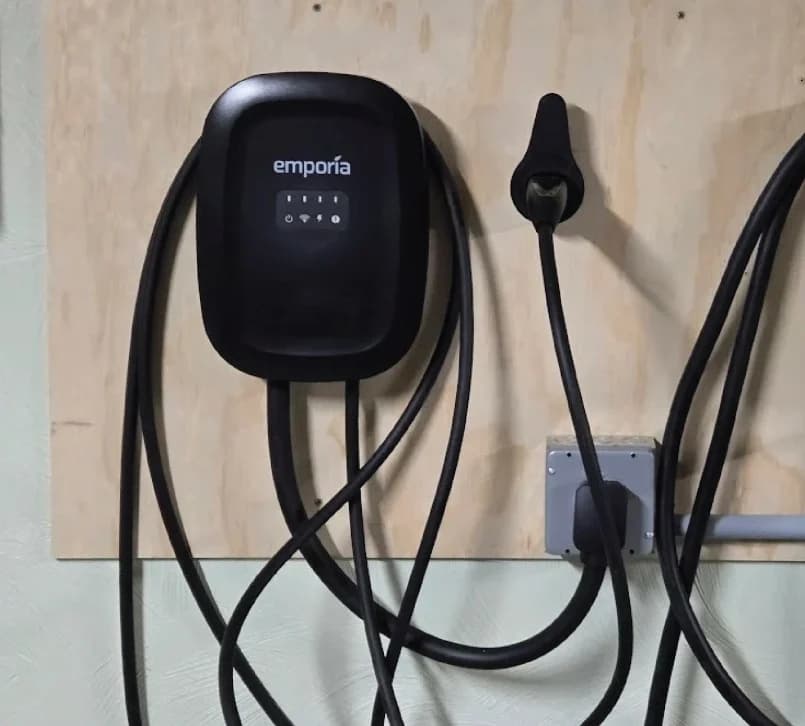
Emporia Classic Level 2 EV Charger (NACS, 48A)
Choose for: NACS car; want the same flexibility
Check before buying: The plug-in version is limited to 40A; 48A needs hardwiring
- 2
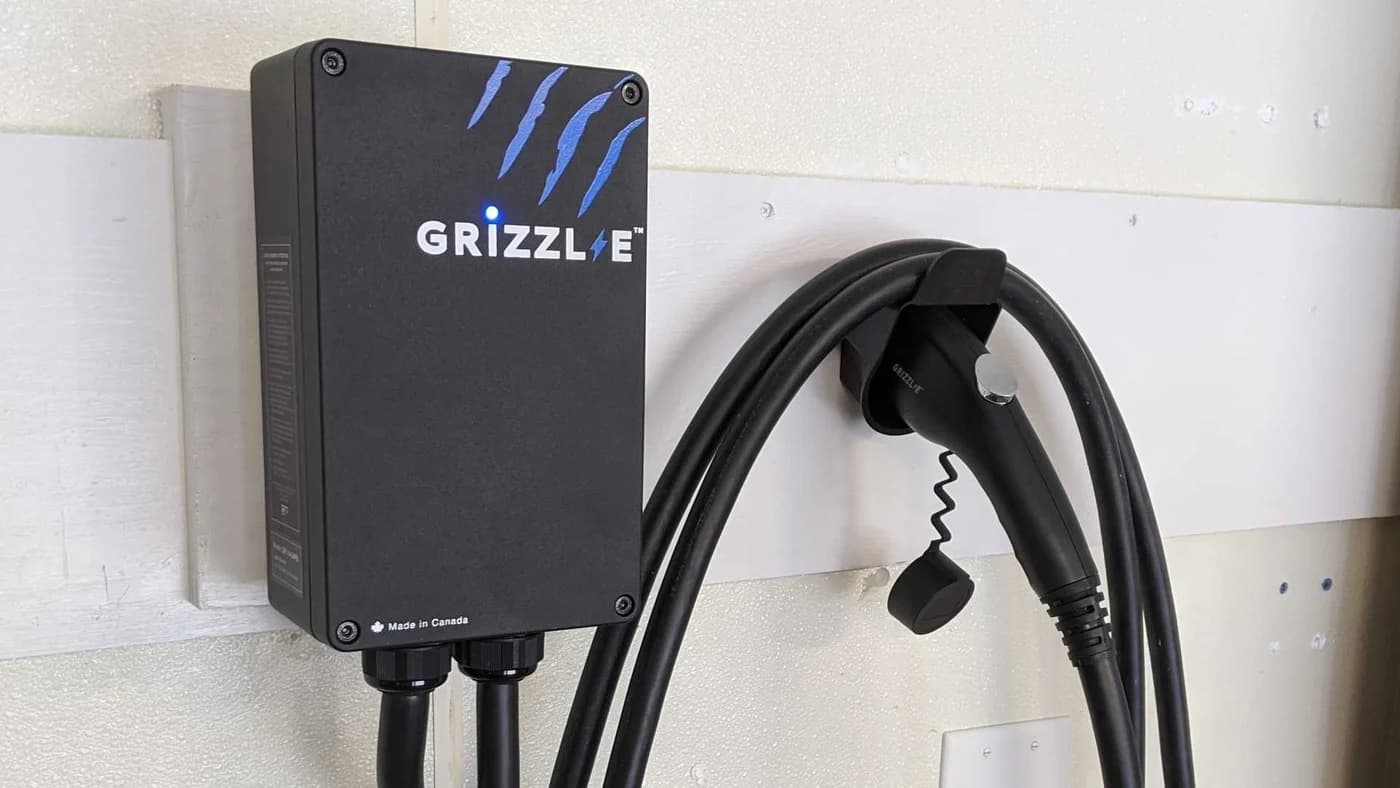
Grizzl-E Classic 40A Level 2 EV Charger (J1772, NEMA 14-50)
Choose for: J1772 car; want simple charging without an app
Check before buying: 40A maximum (no 48A hardwired version of the Classic)
A 40 amp EV charger is enough when it replaces your daily driving energy within your charging window; choose 48A when your car accepts the extra power and finishing sooner matters. Our default pick is the Emporia Classic in your car's connector, offering up to 40A plug-in, with 9.6 kW at 240V, or 48A hardwired, with 11.5 kW, according to its installation manual.
- 9.6 kWEmporia Classic at 40A and 240V, per its manual
- 11.5 kWEmporia Classic at 48A and 240V, per its manual
Quick picks: choose the job before the charger
Compare specifications and all conditions
J1772 car; want scheduling and either connection format
- Our choice
- Emporia Classic J1772
- What to select
- NEMA 14-50 for up to 40A, or hardwired for up to 48A
NACS car; want the same flexibility
- Our choice
- Emporia Classic NACS
- What to select
- Select the supply connection separately from the vehicle connector
J1772 car; want simple charging without an app
- Our choice
- Grizzl-E Classic
- What to select
- Non-connected Classic, NEMA 14-50, up to 40A
Prefer the ChargePoint app for home and public charging
- Our choice
- ChargePoint Home Flex alternative
- What to select
- Match connector and supply format; 48A requires hardwiring
Full comparison table
Swipe to compare. Row labels stay visible.
| Your situation | Our choice | What to select |
|---|---|---|
| J1772 car; want scheduling and either connection format | Emporia Classic J1772 | NEMA 14-50 for up to 40A, or hardwired for up to 48A |
| NACS car; want the same flexibility | Emporia Classic NACS | Select the supply connection separately from the vehicle connector |
| J1772 car; want simple charging without an app | Grizzl-E Classic | Non-connected Classic, NEMA 14-50, up to 40A |
| Prefer the ChargePoint app for home and public charging | ChargePoint Home Flex alternative | Match connector and supply format; 48A requires hardwiring |
Scroll horizontally to see every column
| Your situation | Our choice | What to select |
|---|---|---|
| J1772 car; want scheduling and either connection format | Emporia Classic J1772 | NEMA 14-50 for up to 40A, or hardwired for up to 48A |
| NACS car; want the same flexibility | Emporia Classic NACS | Select the supply connection separately from the vehicle connector |
| J1772 car; want simple charging without an app | Grizzl-E Classic | Non-connected Classic, NEMA 14-50, up to 40A |
| Prefer the ChargePoint app for home and public charging | ChargePoint Home Flex alternative | Match connector and supply format; 48A requires hardwiring |
The Emporia checklist, Grizzl-E specifications and ChargePoint configurations support these choices. The recommendations below are based on published specifications, not physical testing.
40A vs 48A: the useful comparison
Rated power at 240V, using Emporia's rounded figures
- 40A charging
- 9.6 kW
- 48A charging
- 11.5 kW
Emporia Classic connection
- 40A charging
- NEMA 14-50 plug or hardwired at an appropriate configured limit
- 48A charging
- Hardwired
Home Flex circuit pairing in its installation guide
- 40A charging
- 50A circuit
- 48A charging
- 60A circuit
Home Flex supply connection at this current
- 40A charging
- Plug-in or hardwired
- 48A charging
- Hardwired
Vehicle needed to use all the rated power
- 40A charging
- AC input accepting 9.6 kW
- 48A charging
- AC input accepting about 11.5 kW
Best reason to choose it
- 40A charging
- It already finishes before departure
- 48A charging
- It meets a shorter deadline or provides useful spare time
Full comparison table
Swipe to compare. Row labels stay visible.
| Decision | 40A charging | 48A charging |
|---|---|---|
| Rated power at 240V, using Emporia's rounded figures | 9.6 kW | 11.5 kW |
| Emporia Classic connection | NEMA 14-50 plug or hardwired at an appropriate configured limit | Hardwired |
| Home Flex circuit pairing in its installation guide | 50A circuit | 60A circuit |
| Home Flex supply connection at this current | Plug-in or hardwired | Hardwired |
| Vehicle needed to use all the rated power | AC input accepting 9.6 kW | AC input accepting about 11.5 kW |
| Best reason to choose it | It already finishes before departure | It meets a shorter deadline or provides useful spare time |
Scroll horizontally to see every column
| Decision | 40A charging | 48A charging |
|---|---|---|
| Rated power at 240V, using Emporia's rounded figures | 9.6 kW | 11.5 kW |
| Emporia Classic connection | NEMA 14-50 plug or hardwired at an appropriate configured limit | Hardwired |
| Home Flex circuit pairing in its installation guide | 50A circuit | 60A circuit |
| Home Flex supply connection at this current | Plug-in or hardwired | Hardwired |
| Vehicle needed to use all the rated power | AC input accepting 9.6 kW | AC input accepting about 11.5 kW |
| Best reason to choose it | It already finishes before departure | It meets a shorter deadline or provides useful spare time |
These are manufacturer-specific installation limits, drawn from the Classic manual and Home Flex installation guide. They are not a fresh verification of every jurisdiction's electrical code. Hardwired chargers need a licensed electrician and a permit where required.
The arithmetic is kW = volts × amps ÷ 1,000. At equal voltage, 48 ÷ 40 = 1.2: about 20% more power, but only about one-sixth less time for the same energy. That gain disappears if the car or a managed supply holds both options below the lower ceiling.
Check the exact vehicle's maximum AC or Level 2 input, including its model year and trim. Its DC fast-charging rating answers a different question: the DOE distinguishes AC Level 2 from DC fast charging. For example, a hypothetical car capped at 7.7 kW AC gets at most that power from either option. ChargePoint explicitly identifies the onboard charger's rating as a charging-speed limit.
Voltage matters too. For a 208V supply, Emporia lists 8.3kW at 40A and 10kW at 48A. Ask which voltage applies before using the residential worksheet below.
The overnight worksheet: daily miles, winter and a short window
Size for the energy you need to replace before departure, rather than a full empty-to-full battery recharge every night. Start with wall energy recorded across representative driving days, with similar battery charge levels at the beginning and end.
Find the car's AC ceiling
Read the exact vehicle manual; use the lower of that ceiling and the installer's approved charger output.
Estimate energy to replace
Daily miles × wall kWh per 100 miles ÷ 100. Use your own charging records where possible.
Compare with your real window
Wall kWh ÷ available kW gives estimated hours. Count the hours when charging is actually permitted and leave spare time.
The EPA label explainer defines consumption in kWh per 100 miles. Our examples assume 30 wall kWh per 100 miles for ordinary use and 40 for winter use. These are illustrative inputs, not ratings for a particular car or a universal winter penalty. They already include charging losses and accessory energy; do not add another loss allowance to this table. If starting with battery-side consumption instead, account for charging losses once.
Every row assumes 240V, a vehicle accepting at least 11.5 kW AC, uninterrupted output at the maker's rounded 9.6 or 11.5 kW, and sufficient energy needed to sustain charging. Times are arithmetic estimates rounded to the nearest minute.
Ordinary commute, 40 miles
- Wall energy, kWh (calculation)
- 40 × 30 ÷ 100 = 12
- At 40A, estimated time
- One hour, 15 minutes
- At 48A, estimated time
- One hour, three minutes
Winter commute, 40 miles
- Wall energy, kWh (calculation)
- 40 × 40 ÷ 100 = 16
- At 40A, estimated time
- One hour, 40 minutes
- At 48A, estimated time
- One hour, 23 minutes
Long winter day, 120 miles
- Wall energy, kWh (calculation)
- 120 × 40 ÷ 100 = 48
- At 40A, estimated time
- Five hours
- At 48A, estimated time
- Four hours, 10 minutes
Full comparison table
Swipe to compare. Row labels stay visible.
| Assumed driving day | Wall energy, kWh (calculation) | At 40A, estimated time | At 48A, estimated time |
|---|---|---|---|
| Ordinary commute, 40 miles | 40 × 30 ÷ 100 = 12 | One hour, 15 minutes | One hour, three minutes |
| Winter commute, 40 miles | 40 × 40 ÷ 100 = 16 | One hour, 40 minutes | One hour, 23 minutes |
| Long winter day, 120 miles | 120 × 40 ÷ 100 = 48 | Five hours | Four hours, 10 minutes |
Scroll horizontally to see every column
| Assumed driving day | Wall energy, kWh (calculation) | At 40A, estimated time | At 48A, estimated time |
|---|---|---|---|
| Ordinary commute, 40 miles | 40 × 30 ÷ 100 = 12 | One hour, 15 minutes | One hour, three minutes |
| Winter commute, 40 miles | 40 × 40 ÷ 100 = 16 | One hour, 40 minutes | One hour, 23 minutes |
| Long winter day, 120 miles | 120 × 40 ÷ 100 = 48 | Five hours | Four hours, 10 minutes |
For example, 48 ÷ 9.6 × 60 = 300 minutes. In an assumed eight-hour overnight window, both settings cover every example. With only four and a half hours available after the long winter day, 40A misses the deadline while 48A fits on paper, with little spare time. That is a concrete reason to consider the higher current.
These are energy-replacement estimates, not guaranteed departure times. DOE's energy-flow explainer says charging losses vary with the vehicle, charging system, battery state and weather. Use your actual cold-weather records and allow extra time for preconditioning or interruptions rather than assuming this winter scenario describes your car.
Decision rule: calculate required average power as wall kWh ÷ available hours. If it is comfortably below the usable 40A rate, choose on installation suitability and features. If it falls between the usable rates, 48A can change the result. If it exceeds both, plan a longer window, another charging opportunity or a different daily energy target.
Best configurable J1772 choice: Emporia Classic
Choose the Classic J1772 when you want app scheduling and a charger family available with either supply connection. Its manual specifies 40A through NEMA 14-50 or 48A hardwired; the 25-foot cable and NEMA Type 4 indoor/outdoor enclosure apply to the family. Emporia's comparison page states UL certification, while its compliance information identifies UL 2594 for the charger.
Select the supply variant deliberately. This card identifies the J1772 family; confirm the selected plug-in or hardwired package before checkout. Emporia's manual supports lower configured currents too, so a hardwired unit need not operate at its maximum. Smart scheduling requires the Emporia app and Wi-Fi, per that manual.
Best configurable NACS choice: Emporia Classic NACS
Choose the NACS Classic for a matching vehicle inlet. Emporia offers both J1772 and NACS, and its checklist gives the same 40A plug-in / 48A hardwired limits. Its UL-certified family and cable specifications are the same ones cited above.
Emporia
Emporia Classic Level 2 EV Charger (NACS, 48A)
A 48A (11.5kW) ENERGY STAR smart Level 2 home charger with a NACS (SAE J3400) connector that opens the Tesla charge port, a 25-ft cable and NEMA Type 4 enclosure.
- 48 A max
- 11.5 kW max
- NACS (J3400)
NACS names the car end; NEMA 14-50 names the wall connection. Choose both independently. If considering an adapter, verify Level 2 AC compatibility, its current rating and approval for the equipment; our NACS and J1772 guide explains the directions.
Best app-free 40A choice: Grizzl-E Classic
Choose the non-connected Grizzl-E Classic if you want straightforward J1772 charging. Its manual states 40A continuous, 9.6 kW, UL listing, and support for a NEMA 14-50 plug. It also permits hardwiring, but that does not raise its maximum to 48A.
Grizzl-E
Grizzl-E Classic 40A Level 2 EV Charger (J1772, NEMA 14-50)
A non-smart, 40A Level 2 home charger in an aluminum UL Type 4 enclosure with a 24-ft J1772 cable, a NEMA 14-50 plug and switchable current limits, made in Canada by United Chargers.
Check package and model options
- 40 A max
- 9.6 kW max
- J1772
There are two source conflicts to resolve before buying. The product page advertises connected features in generic copy but identifies this Classic's smart function as “No Internet Connection.” It also lists a 25-foot cable, while the manual specifies 24 feet for the GR1-14-24 model family. Confirm the actual unit's reach and avoid confusing Classic with the separate Classic Connect.
Alternative for the ChargePoint app: Home Flex
Home Flex suits buyers who prefer ChargePoint's combined home/public app. Its datasheet lists UL and cUL listing, a 23-foot cable, and output choices of 16, 24, 32, 40, 48 or 50A. That 50A headline does not describe its plug-in output: NEMA versions stop at 40A.
For J1772, distinguish CPH50-NEMA14-50-L23-K, CPH50-NEMA6-50-L23-K and CPH50-HARDWIRE-L23-K. The datasheet assigns those codes to different supply configurations; its hardwired version supports the 48A setting with the approved installation. NACS versions are separate choices. See the Home Flex variant guide and choose on ChargePoint's site.
Panel capacity and the electrician's decision
A spare breaker position does not establish available charging capacity. ChargePoint requires matching the configured current to available panel capacity and identifies charging as a continuous load, requiring circuit capacity of 125% of maximum load. Its manual's 50A → 40A and 60A → 48A pairings explain the different numbers on the charger and circuit.
Ask a licensed electrician:
- What current can this home support, and is load management useful?
- Is the existing receptacle and circuit suitable for this exact charger?
- Which connection format, protection, permits and inspection apply locally?
- Will the cable reach the parked car without tension, including outdoors?
- What charging rate remains available when household demand rises?
Emporia PowerSmart reduces charging when household consumption rises and restores it as capacity returns. Classic needs the monitor and paid software upgrade; Pro bundles the monitor and software. That can make a managed installation worth discussing, but the worksheet must then reflect reduced output and the configured fallback rate. Our Emporia family guide covers the packages.
Black Friday and Cyber Monday: compare the exact configuration
Before treating any offer as a good buy, match the vehicle connector, supply connection, configured current, cable reach and included load-management equipment. Compare the complete installed proposal against your worksheet, rather than selecting by the largest amperage in a family name. Check current purchase terms on the day; this guide makes no sale or discount claim.
How we choose
We compared official manuals, specification tables and support pages, checked on November 2, 2026. Choices prioritize a useful charging rate, matching connectors, stated safety listings and clearly identified installation variants. Calculations use disclosed assumptions, with source conflicts shown beside the affected product. We have not physically tested these chargers.
For broader choices, see our Level 2 charger guide; for charging cords, see portable EV chargers. thisWATT is reader-supported: when you buy through our links, we may earn a commission at no extra cost to you. As an Amazon Associate, thisWATT earns from qualifying purchases.
Verdict
Choose 40A when your worksheet finishes comfortably before departure. Choose 48A when your car accepts it and the shorter charging time earns its place in the installation. Start with Emporia Classic in the matching vehicle connector, pick Grizzl-E Classic for app-free charging, or consider Home Flex for the ChargePoint app. Settle the supply variant and approved current with your electrician before ordering.
Frequently asked questions
Is a 48 amp EV charger worth it over 40 amps?
Choose 48A when your vehicle accepts more than 9.6 kW on AC and the shorter charging time matters. At the same voltage it offers about 20% more power, cutting constant-power charging time by about one-sixth. In our assumed winter example, replacing 48 kWh of wall energy takes about 300 minutes at 40A or 250 minutes at 48A. With a long overnight window, either may finish comfortably.
Can I use a 48A charger on a 50A circuit?
Only if that charger supports an installer-configured lower current appropriate to the installation; it cannot deliver 48A there. Emporia Classic and ChargePoint Home Flex associate a 50A circuit with 40A charging and a 60A circuit with 48A charging. Have a licensed electrician approve the equipment, circuit and configuration. The number on the breaker is not the permitted charging current.
Can a NEMA 14-50 EV charger deliver 48 amps?
The Emporia Classic and ChargePoint Home Flex configurations discussed here cannot deliver 48A through their NEMA 14-50 plugs. Their plug-in ceiling is 40A; their 48A configurations require hardwiring. The 50 in the outlet name is not a promise of 50A charging. Match the manufacturer's exact installation requirements and have an electrician verify the outlet and circuit before purchase.
Does a hardwired EV charger always charge faster?
No. Hardwiring describes the supply connection, while configured current and the vehicle's onboard AC charger determine the available rate. ChargePoint permits 40A charging through either a plug-in or hardwired installation. Grizzl-E Classic also supports hardwiring but retains its 40A maximum. A car limited to less power will not charge faster simply because its charger has been hardwired.
Should I choose 48A for winter EV charging?
Use your own cold-weather energy need and available charging hours. Our winter worksheet assumes higher wall energy per mile, rather than claiming a universal winter penalty. More power helps only when the car accepts it and the electrical system can supply it. Charging losses vary with weather, vehicle and battery state, so leave time for conditions beyond the constant-power estimate and ask about any load-management reductions.
Related guides
Best picks · Level 2 EV Chargers
Best Home EV Chargers for BMW iX: Keep the Cord or Buy?
Choose a home EV charger for your BMW iX: when to keep the BMW cord, which J1772 wall chargers to buy, and how to check model year, supply and overnight needs.
Best picks · Level 2 EV Chargers
Best Home EV Chargers for Subaru Solterra: 25-ft Picks by Year
Choose a home charger for your US Solterra by model year, connector and actual cable reach. Compare verified 25-ft options, shorter alternatives and setup.
Best picks · Level 2 EV Chargers
Best Home Chargers for Tesla Model Y: Buy for Your Daily Miles
Choose a Tesla Model Y home charger by vehicle limits, daily miles and parking reach. Compare Tesla, Emporia and Home Flex, or keep your Mobile Connector.